Market Update – July 2025

Good afternoon, 

I hope you had a wonderful holiday weekend! This month we’re still seeing the normal summertime lull for steel, experiencing another shakeup in the non-ferrous markets. Market sentiment overall remains cautious. The evolving landscape of global tariffs and potential trade negotiations is casting uncertainty over long-term planning and making it increasingly difficult for some manufacturers to conduct business with confidence.

Steel:

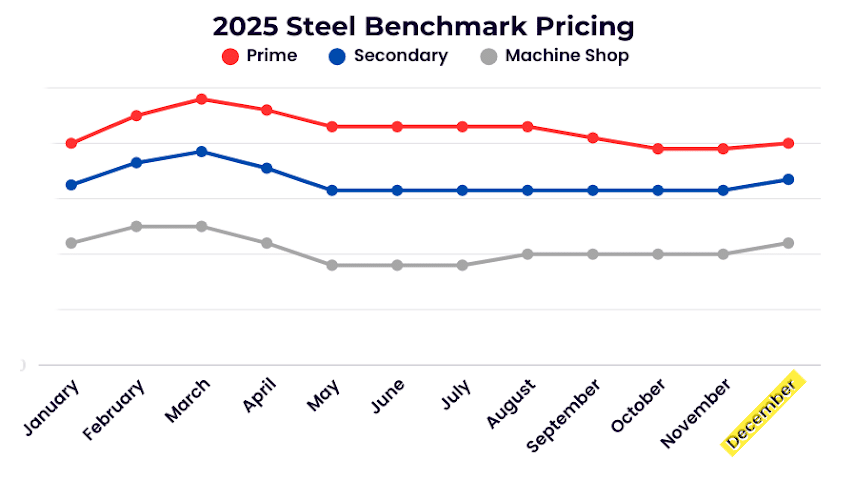
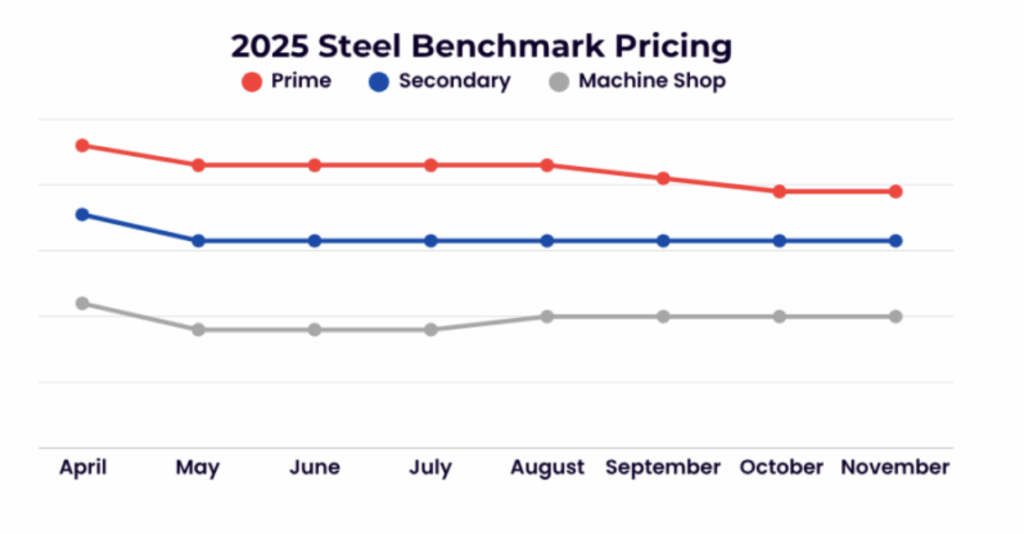
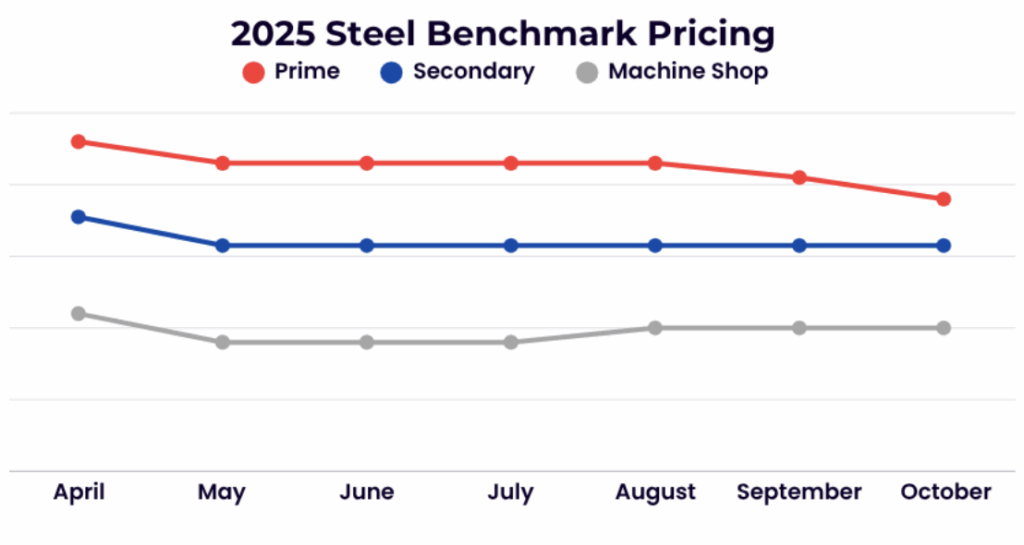
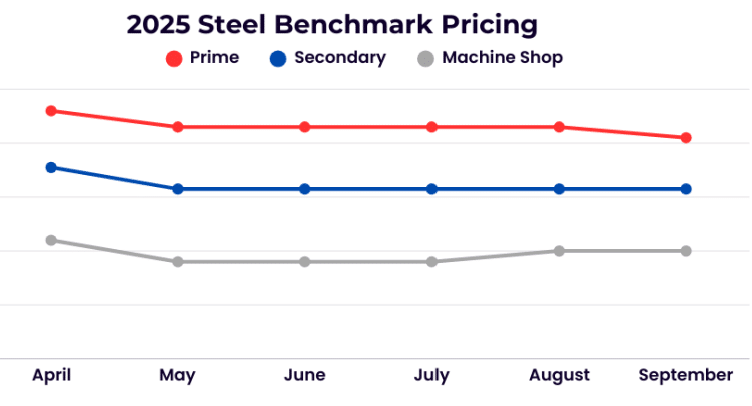
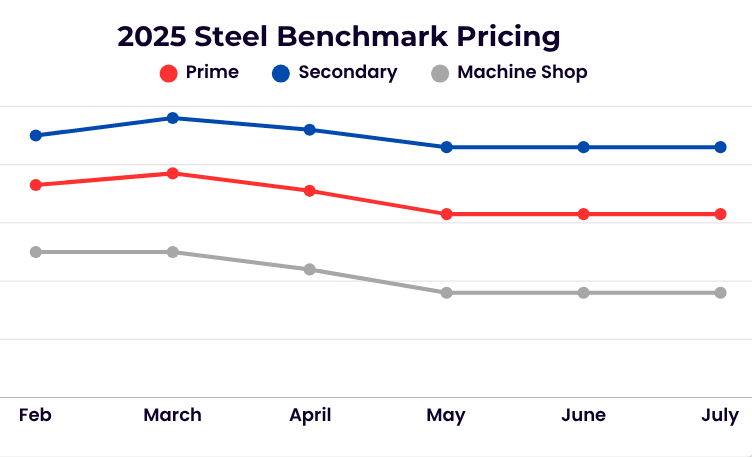
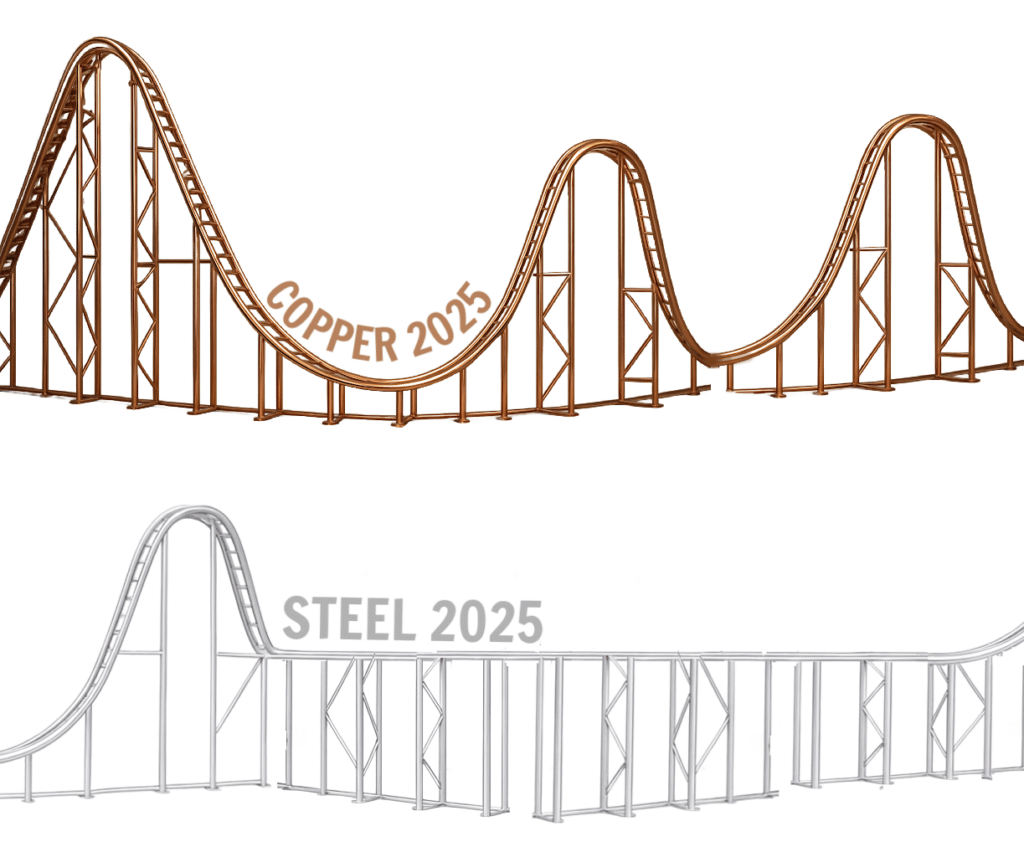
The steel market moved sideways again for the third consecutive month. Last year at this time we were gearing up for seven consecutive months of repeat pricing before the market showed signs of life this past January. Domestic and international weak markets along with ample scrap availability ultimately prevented upward movements in prices this month that some recyclers were initially expecting.

Non-ferrous: 

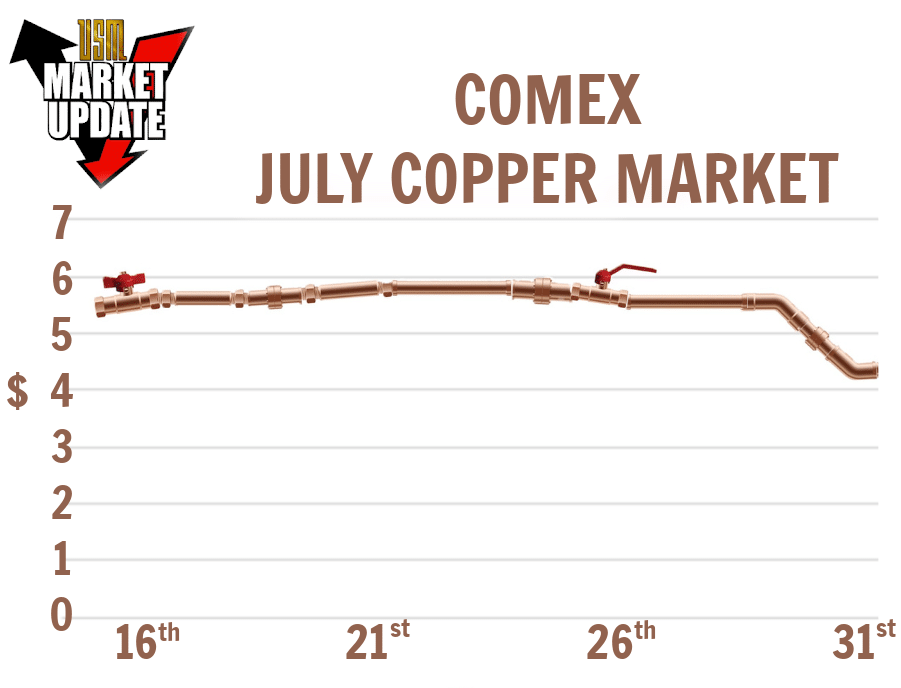
Chinese buyers continue to show little interest in US copper scrap due to their ongoing sluggish economy and struggling real estate market. Combined with the wide arbitrage between the Chicago Mercantile Exchange and the London Metal Exchange, domestic consumers are still pricing and historically high copper spreads. President Trump’s July 9 tariff negotiation deadline has been contributing to a bearish market. Argus Metals states that “He began delivering letters on Monday to countries that detail their new ‘reciprocal’ tariff rates if trade negotiations fail to yield an agreement.” However, the recent 50% copper tariff announcement has sent Comex copper running up, while the LME copper declines.

Aluminum rolling mills continue to lower their buying prices with weaker demand. The soft interest for used beverage cans (UBC) is coupled with some mills quoting for September delivery. We’re also seeing a larger decrease in the smelter grade aluminum scrap that is associated with the domestic decrease in the automobile industry. 

Stainless and Alloy:

The 30-day LME Nickel average has remained relatively steady to slightly down, showing resilience compared to other commodity markets that have been more visibly impacted by newly imposed tariffs. Stainless grades 304 and 316 continue to hold firm, buoyed by recent declines in scrap flow. However, 316 may experience upward pricing pressure as supply tightens in Molybdenum concentrates. Chrome stainless grades remain stable for the time being, perhaps benefiting from the broader steel market’s sideways movement.

High-temperature alloys have seen a modest decline, reflecting the subtle downward trend in their underlying input markets. Encouragingly, demand has proven more robust than expected heading into July, providing some support against further erosion in value.

In contrast, Titanium grades continue to soften, particularly select prime material, as labor tensions escalate in Europe. A pending strike vote by members of the European Unite union—spurred by disputes over inadequate pay—could lead to production delays and disrupt Airbus delivery schedules, casting a shadow over an already fragile sector.

Tool steels, high-speed steels, and Tungsten alloys are poised for potential price increases, with recent import duties reducing the availability of these goods in the U.S. market.


 Market Update – June 2025

This month we’re still seeing uncertainty surrounding trade tariffs which continue to cast a shadow over procurement strategies. Some consumers remain hesitant to commit to additional volumes, and overall confidence heading into Q3 is muted. Without a clear resolution on tariffs and market volatility, near-term strength appears unlikely on some of the commodities.

Steel:

The steel market has hopefully bottomed out with all grades moving sideways for June. While consumers were anticipating lower steel prices on shred and cut grades, some stronger buying programs across the Midwest steel mills helped to boost prices to remain the same as last month. This likely helped to absorb a portion of the overhanging scrap in the market. Seeing an increase in futures trading promises some hope for a stronger July market.

Non-ferrous: 

The US increasing aluminum and steel tariffs from 25% to 50% has created an international stir. The Midwest Premium jumped to record levels last week once the additional tariffs were determined, driving pricing to unprecedented heights. As a result, aluminum mills lowered their buying prices to offset the rapidly rising MWTP. Several UBC (Used Beverage Can) mills are full for June and July, with abundant supply and limited availability until at least August. Rest assured, being the largest UBC processor in North America, USM contracts allow us to continue to process and deliver all of our material as scheduled.

Copper spreads continued to widen the past week during some Comex swings and tepid domestic demand. Large copper scrap volumes are remaining in the US with consumers still not showing a real demand. There is a growing concern that copper may be next in line for an increased tariff and that  fallout that we’re seeing with aluminum. 

Stainless and Alloy:

LME Nickel continues to trade within a narrow range, yet demand has become increasingly insufficient. This weakening appetite has applied downward pressure on pricing, with notable discounts emerging across 304 and 316 stainless grades. Chrome stainless is similarly trending lower, driven by ongoing decline in iron values this month.

High-temperature alloys remain relatively stable, sustained by selective demand. However, market sentiment suggests that supply may soon outpace forecasts, particularly as consumers approach inventory thresholds.

Titanium grades continue to soften amid persistent demand weakness, compounded by a consistent influx of lower-cost Ferro Titanium, which is steadily accumulating in the market.

Tool Steel, High-Speed Steel, and Tungsten alloys remain firm. However, pricing may trend upward in the near term, as ongoing tariffs and constrained global flows tighten domestic supply and create upward pressure.

I’d like to share that once again we are ranked among North America’s 20 largest Non-ferrous recyclers in North America. Recycling Today has bestowed us with this honor consecutively since 2005. Thank you for your partnership and your choice to recycle responsibly with us! 


Click Here -Top 20 Non-Ferrous Recyclers Award-USM


 Market Update – May 2025

Good afternoon,

We’re continuing to see some weakened commodities as we near the summer months. The market is clouded by uncertainty, particularly regarding the future impact of tariffs. Domestic consumers continue to exhibit some buying interest, though activity levels are noticeably down compared to this time last year. 

Steel:

Steel prices tumbled across all grades this month with ample scrap supply, and seasonally stronger inbound flows in the construction sector.  Manufacturing has seen a slow down in some areas, including Automaker Ford temporarily shutting down production at it’s Chicago assembly plant following supple chain disruption. These factors combined have led to smaller than expected buying programs for the steel mills in many regions.

Non-ferrous:

While the copper gained back some of its April loss due to the pause on some tariffs, the export market has remained tight with minimal interest for material. Copper spreads remain wide with the continued oversupply in the domestic market and no growth in consumer outputs.

Aluminum pricing has remained fairly consistent over the past month with current demand keeping up with the supply. Some tariffs were reduced this past weekend between the US and China following trade talks this past weekend in Geneva. We’ll see over the next few weeks how this impacts pricing.

Used beverage can (UBC) consumers have secured material for May and much of June. Material previously being exported is now staying domestic resulting in a backlog of recyclables. 

Stainless and Alloy:

Following the disruption in pricing during April, the 30-day average for LME Nickel has remained confined within a narrow trading range. Pricing for both Stainless and Chrome Stainless remains relatively stable, though a short-term decline may be on the horizon as iron markets are softening this month. Manufacturing output has slowed, leading to reduced scrap generation. This tightening of supply is contributing to price stability in Stainless Steel, with demand holding steady for now.

Certain High-Temperature Alloys continue to enjoy solid demand, though others are experiencing increased downward price pressure driven by shifts in usage and reduced demand. The timing of a recovery in this segment remains uncertain.

The Titanium market continues to face challenges amid the broader manufacturing slowdown. Mills are opting for lower-cost inputs, which is exerting further pressure on prime-grade Titanium values. Tool Steel, High-Speed Steel, and Tungsten Alloys are maintaining their value well. Limited imports from China have fueled increased domestic demand, supporting pricing resilience in these categories.